
A prediabetes diet centers on non-starchy vegetables, lean protein, whole grains, and healthy fats, while pulling back on sugary drinks, refined carbs, and fried food. There’s no single approved meal plan. The Mediterranean-style pattern has the strongest research behind it, but fiber, portion size, and consistency matter more than any one “superfood.” Pair that with modest weight loss and regular movement, and the odds shift meaningfully in your favor.
You got a number back. Maybe an A1C of 5.9. Maybe a fasting glucose of 108. Your doctor said the word “prediabetes,” handed you a pamphlet, and moved on to the next patient. Now you’re standing in your kitchen wondering if toast is still allowed.
It is, by the way. Almost nothing is fully off the table here. What changes is how often, how much, and what sits next to it on the plate.
What Counts as Prediabetes (and Why It Isn’t Diabetes Yet)
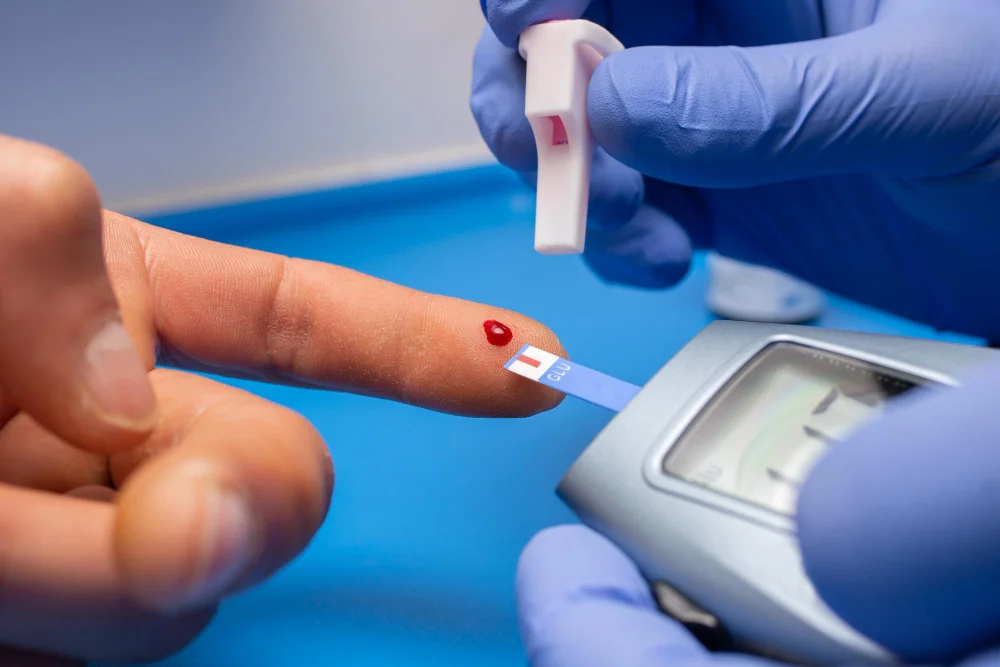
Prediabetes means your blood sugar runs higher than normal, but not high enough yet to count as type 2 diabetes. Doctors usually catch it through one of three tests: an A1C between 5.7% and 6.4%, a fasting glucose between 100 and 125 mg/dL, or a 2-hour glucose tolerance test between 140 and 199 mg/dL.
Underneath the numbers, what’s usually happening is insulin resistance. Your cells get worse at responding to insulin, so your pancreas pumps out more of it to compensate, and your blood sugar creeps up anyway.
This is common. More common than most people realize. An estimated 115.2 million American adults have prediabetes, and roughly 8 in 10 of them don’t know it, according to the CDC. Type 2 diabetes, the condition prediabetes can progress toward, makes up 90% to 95% of all diabetes cases in the US.
Left alone, prediabetes doesn’t sit still forever. Somewhere between 15% and 30% of people with it develop type 2 diabetes within five years. Over a full lifetime, the risk climbs to 50% to 70%. That sounds grim. The next section is why it doesn’t have to play out that way.
Why Food Is the Highest-Leverage Change You Can Make
The best evidence here doesn’t come from a fad diet. It comes from a landmark, federally funded trial called the Diabetes Prevention Program, now over two decades old but still the reference point every major health organization cites. Participants who lost 5% to 7% of their body weight and got about 150 minutes of activity a week (roughly 30 minutes, five days) cut their risk of developing type 2 diabetes by 58%, compared to people who made no changes.
For someone who weighs 200 pounds, 5% to 7% of body weight is 10 to 14 pounds. Not a total transformation. Enough to matter.
Dr. Ganda, an endocrinologist featured in a Harvard Health piece reviewing the trial, makes a point of telling patients not to be discouraged if the scale barely moves. In the original study, even cutting about 150 calories a day and walking briskly five days a week produced that same 58% drop in risk. Weight loss helps, but it isn’t the only lever: regular movement improves how your muscles use glucose whether or not the number on the scale changes.
There’s No Single “Prediabetes Diet,” But There Is a Pattern
Search for “prediabetes diet” and you’ll find keto blogs, low-fat blogs, and Mediterranean-diet blogs all claiming the win. The honest answer: several eating patterns can lower blood sugar, and the research doesn’t crown one universal winner. What the patterns that work tend to share is more fiber, more whole foods, and fewer refined carbohydrates and added sugars.
The pattern with the deepest research behind it for prediabetes specifically is the Mediterranean diet: vegetables, legumes, whole grains, olive oil, fish, and modest amounts of meat and dairy. A cohort study that followed 1,184 adults with prediabetes for an average of 4.2 years found the group with high adherence to a Mediterranean-style pattern developed type 2 diabetes at roughly 2.9 cases per 100 person-years, compared to 4.8 cases per 100 person-years in the low-to-medium adherence group. That gap held up even after adjusting for other risk factors.
One idea worth understanding, because it explains why some “healthy” foods still spike blood sugar: glycemic index measures how fast a carbohydrate raises blood glucose compared to pure sugar. Glycemic load adjusts that for the actual serving size you’d realistically eat. A food can carry a high glycemic index and a low glycemic load if you only eat a small amount of it (watermelon is the classic example). Portion size and pairing usually matter more than any single food being labeled “good” or “bad.”
Building Your Plate: What to Eat More Of
The easiest way to structure a meal without counting a single number is the plate method, which the American Diabetes Association has used in patient education for years:
- Half your plate: non-starchy vegetables (broccoli, spinach, peppers, green beans, zucchini, salad greens)
- One quarter: lean protein (chicken, fish, eggs, tofu, beans, lentils, Greek yogurt)
- One quarter: complex carbohydrates (brown rice, quinoa, sweet potato, whole-grain bread or pasta)
Add a thumb-sized portion of healthy fat (olive oil, avocado, a small handful of nuts) and you’ve got a meal that digests slowly instead of spiking blood sugar the way a plate that’s 80% white rice would.
A couple of swaps make this easier to sustain. Use this, not this: trade white rice for quinoa, or a 50/50 mix of white rice and cauliflower rice, rather than cutting rice out entirely. Full elimination rarely survives a busy Tuesday. A swap usually does.
Fish and skinless poultry are easy defaults for the protein quarter, but don’t overlook plant proteins. Beans and lentils bring fiber along with the protein, which chicken breast doesn’t. Eggs, part-skim cheese, and Greek yogurt round out the list for anyone who wants variety without much prep.
For the carbohydrate quarter, the goal isn’t zero starch. It’s trading the refined version for the whole-grain or higher-fiber one: steel-cut oats over instant, a whole potato with the skin on over fries, brown rice over white.
What to Pull Back On (Not Necessarily Cut Out)
Harvard Health’s nutrition team makes a point worth repeating: no foods are strictly off-limits with prediabetes. What changes is frequency and portion.
The foods worth pulling back on hardest:
- Sugary drinks: soda, sweetened tea, most fruit juice, energy drinks. These raise blood sugar fast and don’t fill you up, so you drink the calories and still eat a full meal on top.
- Refined carbohydrates: white bread, white rice, regular pasta, pastries, most breakfast cereals.
- Fried food and fast food, both for the refined carbs and the way they’re cooked.
- Added sugar hiding where you wouldn’t expect it: flavored yogurt, granola bars, pasta sauce, salad dressing.
- Alcohol, in excess. An occasional drink is different from a nightly habit, and alcohol can also interact with some diabetes medications.
The wrong instinct is going cold turkey on all of it in week one. Most people who try that white-knuckle it for ten days and abandon the whole plan. A more durable approach: find the single biggest source of added sugar in your current routine, usually a drink, and fix that first. Everything else gets easier once that one habit changes.
A Full Day of Eating This Way
Breakfast: Plain Greek yogurt with berries, a tablespoon of chia seeds, and a small handful of walnuts. Or, if mornings are rushed, two eggs with a slice of whole-grain toast and half an avocado. Both pair protein with fiber, which blunts the blood sugar rise a bowl of cereal alone wouldn’t.
Lunch: A grain bowl: two-thirds cup of quinoa or brown rice, a cup and a half of roasted vegetables, three to four ounces of grilled chicken or a cup of chickpeas, and a drizzle of olive oil and lemon.
Dinner: Baked salmon, a cup of roasted broccoli, and a small sweet potato. Or a stir-fry built the same way: vegetables filling half the plate, protein a quarter, rice or noodles the last quarter.
Snacks, if you need them: An apple with a tablespoon of peanut butter, a small handful of almonds, or vegetables with hummus. Skip the granola bar unless you check the label. A lot of them carry more added sugar than a cookie does.
None of this requires a food scale or a tracking app, though logging meals for a couple of weeks helps most people see exactly where their extra carbs are hiding.
The One Number Worth Tracking: Fiber
If you only change one measurable thing, make it fiber. The general target is about 25 grams a day for women and 38 grams for men, which lines up with what the American Diabetes Association recommends for people managing blood sugar. Most American adults get about 15 grams, roughly half that.
Fiber slows how fast sugar hits your bloodstream after a meal, and it’s more filling than it sounds like it should be. A few easy adds: a tablespoon of chia or ground flaxseed stirred into almost anything, a cup of lentils swapped in for half the meat in a recipe, or leaving the skin on potatoes and apples instead of peeling them.
The Two Habits Outside the Kitchen
Food does most of the work, but not all of it. Movement, even a daily 20 to 30 minute walk, improves how your muscles pull glucose out of your bloodstream, independent of weight loss. Sleep matters too: a few consecutive nights of poor sleep measurably worsens insulin sensitivity, even in people with no other risk factors. Neither one requires a gym membership or a sleep clinic. Just consistency.
Common Mistakes That Stall Progress
A few patterns show up again and again in people who feel stuck:
- Going all-or-nothing. Cutting carbs to near zero for two weeks, burning out, and sliding back to old habits, often further than where they started.
- Drinking their sugar. Careful about food all day, then undoing it with a large flavored coffee or two glasses of juice.
- Trusting the front of the package. “Reduced fat” and “no sugar added” often mean more refined starch or sugar alcohols to replace the flavor that was lost. The nutrition label tells the real story, not the marketing above it.
- Skipping meals to “save room.” This usually backfires into a bigger, faster meal later, which spikes blood sugar more than three steady meals would have.
- Treating diet as the whole job. The Diabetes Prevention Program’s results came from diet and activity together. Skipping the movement half cuts your odds.
Is Prediabetes Reversible?
Often, yes, though “reversible” undersells how much sustained work it takes and overstates how guaranteed the outcome is for any one person.
Blood sugar that’s crept into the prediabetes range can come back down into a normal range with consistent changes to diet, activity, and weight, and plenty of people manage exactly that. It isn’t automatic, and it isn’t usually fast. Most people who see real A1C improvement need three to six months of consistent habits before the number moves, sometimes longer. Genetics, how long your blood sugar has been elevated, and other health conditions all play a role, which is part of why this is worth doing with a doctor tracking your numbers rather than guessing alone.
The more useful framing might be this: even if your blood sugar never fully normalizes, every bit of improvement lowers your risk of the complications that prediabetes and diabetes carry, heart disease especially. Progress doesn’t have to be all or nothing to count.
When to Bring In Your Doctor or a Dietitian
Talk to a doctor or registered dietitian before making major changes if any of this applies to you: you’re on medication for blood sugar or blood pressure (some diets change how those need to be dosed), you’re pregnant, you have a history of disordered eating, or you’ve had prediabetes for more than a year with no improvement despite real effort.
A registered dietitian can also build a plan around something this general guide can’t account for, like kidney disease or a food allergy. And if your A1C or fasting glucose hasn’t budged after three to six months of consistent changes, that’s a reason to go back in for a conversation about next steps, not a reason to conclude that nothing works.
Looking to consult a Nutritionist for a personalized plan? Check out Online Diabetes Consultations!
Frequently Asked Questions
Build meals around non-starchy vegetables, lean protein, whole grains, and healthy fats, the same plate-method structure used throughout this guide. Specific go-tos include leafy greens, beans and lentils, fish and skinless poultry, oats and quinoa, and olive oil or avocado. Consistency across meals matters more than any single “best” food.
There isn’t a fast fix, but the quickest measurable progress usually comes from combining a 5% to 7% weight loss with 150 minutes of weekly activity, the same combination that produced a 58% risk reduction in the Diabetes Prevention Program. Most people need three to six months of consistent habits before their numbers meaningfully shift.
Something with protein and fiber rather than carbs alone: eggs with whole-grain toast, Greek yogurt with berries and nuts, or oatmeal made with milk instead of water and topped with nut butter. A pastry or sugary cereal on an empty stomach tends to spike blood sugar hardest, since there’s nothing else in your system to slow it down.
Not guaranteed for everyone, but blood sugar often does return to a normal range with sustained changes to diet, activity, and weight. How much it improves depends on genetics, how long blood sugar has been elevated, and consistency, which is why tracking progress with a doctor matters more than chasing one number alone.
Pick One Change, Not Ten
If everything above feels like too much at once, it is, if you try to do all of it Monday morning. Pick the plate method for dinner this week. Just dinner. Add the fiber tweaks once that feels automatic, then tackle whichever drink is probably your biggest source of added sugar.
Small, kept-up changes beat a perfect week you can’t repeat. And if you haven’t had your blood sugar checked recently, that’s the actual first step, before any of this. You can’t track progress against a number you don’t have.
Read Also: A 7-Day Diabetes Diet Plan with Everyday Pakistani Foods

DT Nimra Naqvi is an MPhil-qualified clinical nutritionist specialising in therapeutic, condition-specific nutrition care. She designs personalised nutrition plans for metabolic, hormonal, digestive, and recovery-related conditions, grounded in evidence-based practice. Her work focuses on integrating nutrition with medical treatment and rehabilitation to support sustainable health outcomes. DT Nimra Naqvi provides professional online consultations for international clients across the USA, UK, and Europe.