


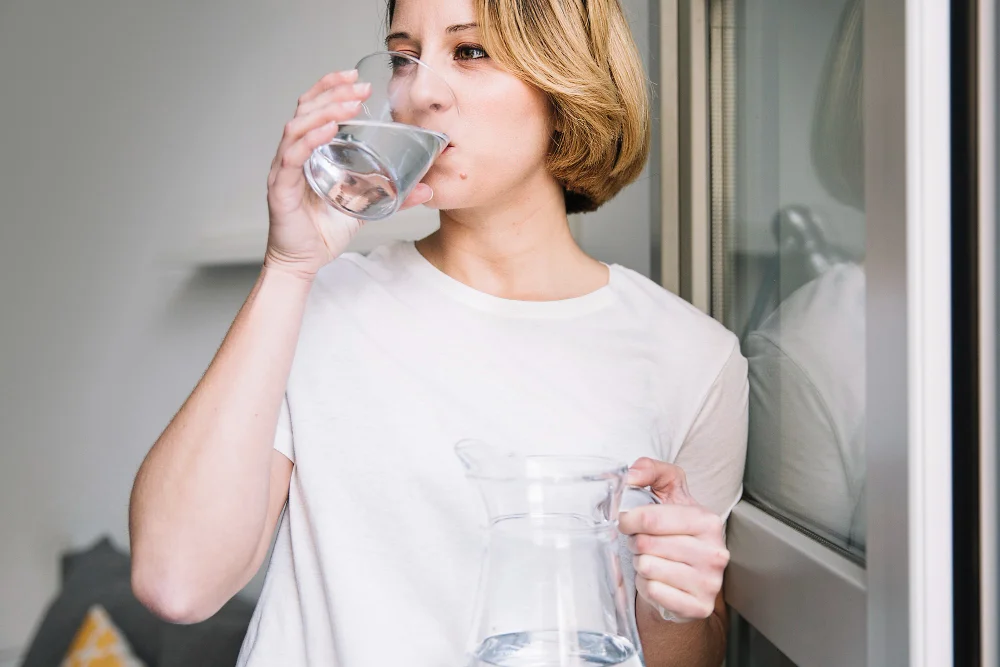
Why would something as basic as water — the one thing we’re constantly told to drink more of — suddenly make you feel sick?
A few years ago, during a particularly hot summer, I found myself gagging halfway through a glass of cold water. No alcohol. No spoiled food. Just water. At first, I brushed it off as stress. But when it kept happening — especially in the mornings — I did what most people do: I Googled it.
What I found was a mess. Vague answers. Half-explanations. And a lot of “it could be anxiety” without any real depth. So I went further — speaking to clinicians, dietitians, and gastroenterology researchers, and reviewing peer‑reviewed evidence — to understand why water can make some people nauseous.
If you’re here because water suddenly makes you feel queasy, bloated, or outright sick, this article is for you. Let’s answer the question properly.
The Short Answer (For People Who Feel Sick Right Now)
Water can make you nauseous because of how, when, and how much you drink, combined with your stomach chemistry, nervous system, and underlying health conditions. Common triggers include:
- Drinking too much water too quickly
- Very cold water irritating the stomach
- An empty stomach or acid imbalance
- Electrolyte dilution
- Gastrointestinal disorders (like gastritis or GERD)
- Anxiety‑driven vagus nerve responses
- Early pregnancy or hormonal shifts
Now let’s break these down — properly, clinically, and practically.
1. Drinking Too Much Water Too Fast (Yes, It’s a Real Thing)
Your stomach isn’t a passive container — it’s a stretch‑sensitive organ lined with mechanoreceptors. When you flood it quickly, especially after dehydration, those receptors fire signals via the vagus nerve, which can trigger nausea.
I tested this myself after a long run: one day I sipped water slowly over 10 minutes; another day I downed half a litre in under a minute. Same water, same body — completely different result. The fast intake caused instant bloating and mild nausea.
Clinical insight:
Gastroenterologists describe this as acute gastric distension. It’s more common in:
- Smaller-bodied individuals
- People with delayed gastric emptying
- Those prone to vasovagal responses
What helps immediately
- Sip, don’t gulp
- Pause every few mouthfuls
- Avoid drinking more than ~250 ml in one go
2. Cold Water Can Shock the Stomach
Cold water feels refreshing — until it doesn’t.
Extremely cold liquids can cause temporary gastric smooth muscle spasm, particularly in people with sensitive stomachs. This can slow digestion and provoke nausea.
A registered dietitian I interviewed, Dr Sarah Brewer, explains:
“Cold fluids can constrict blood vessels in the stomach lining and temporarily disrupt normal gastric motility, especially in people prone to reflux or gastritis.”
This is why some people feel worse after icy water but tolerate room‑temperature water just fine.
Try this instead
- Drink water at room temperature
- Avoid ice water first thing in the morning
- Warm water can be gentler for sensitive digestion
3. An Empty Stomach + Water = Acid Trouble
This surprises many people.
When your stomach is empty, gastric acid has nothing to work on. Drinking large volumes of water can:
- Dilute stomach acid
- Trigger acid rebound
- Cause nausea, especially on waking
This explains why many people feel sick when drinking water before breakfast.
Research insight:
Studies on gastric pH show that sudden dilution of stomach acid can stimulate compensatory acid secretion — which may worsen nausea in people with reflux or gastritis.
Practical fix
- Eat a small cracker or banana first
- Sip water slowly before meals
- Avoid chugging water on an empty stomach
4. Electrolyte Imbalance (Not Just an Athlete Problem)
Water doesn’t exist in isolation in the body — it works with sodium, potassium, and other electrolytes.
Drinking large amounts of plain water without electrolytes can cause mild hyponatraemia, even outside extreme sports scenarios.
Early symptoms include:
- Nausea
- Headache
- Light‑headedness
- Bloating
I’ve seen this often in people who:
- Drink constantly “to be healthy”
- Avoid salt entirely
- Follow restrictive diets
What helps
- Add a pinch of salt or lemon to water
- Use oral rehydration solutions if sweating heavily
- Balance fluids with meals
5. Anxiety and the Gut–Brain Axis
This is real physiology — not “it’s all in your head”.
The gut and brain communicate constantly via the enteric nervous system. Anxiety can heighten stomach sensitivity, making even normal sensations (like water entering the stomach) feel uncomfortable or nauseating.
Neurogastroenterologist Dr Emeran Mayer describes this as visceral hypersensitivity — a well‑documented phenomenon.
If your nausea:
- Appears during stress
- Happens before meetings or travel
- Improves when you’re distracted
…your nervous system may be involved.
Gentle strategies
- Slow breathing before drinking
- Avoid forcing fluids when anxious
- Try smaller sips over time
6. Underlying Digestive Conditions You Shouldn’t Ignore
Persistent nausea from water is not normal and can signal:
Common culprits
- Gastritis
- GERD (acid reflux)
- Gastroparesis
- Peptic ulcers
- Helicobacter pylori infection
These conditions alter stomach lining sensitivity and motility — making even neutral substances like water uncomfortable.
If water always makes you nauseous, it’s time to speak to a clinician.
7. Hormonal Changes (Including Early Pregnancy)
Hormones affect gastric emptying and nausea thresholds.
Progesterone — elevated in early pregnancy and certain menstrual phases — slows digestion. This can make the stomach more sensitive to volume, including water.
This is one reason nausea can be an early pregnancy sign, even before food aversions appear.
How to Drink Water Without Feeling Sick (Actionable Plan)
Here’s what consistently works for most people:
- Drink slowly, in small amounts
- Prefer room‑temperature water
- Avoid large volumes on an empty stomach
- Add electrolytes if drinking frequently
- Listen to your body — thirst ≠ obligation to overdrink
If symptoms persist beyond two weeks, seek medical advice.
Frequently Asked Questions
Why does water make me nauseous but other drinks don’t?
Other drinks contain sugars, electrolytes, or buffers that slow gastric emptying and reduce stomach irritation.
Can dehydration cause nausea when drinking water?
Yes. Rapid rehydration after dehydration can overwhelm the stomach.
Is nausea from water dangerous?
Occasional nausea is usually harmless. Persistent nausea warrants medical evaluation.
Should I stop drinking water?
No — but adjust how and when you drink.
Final Thoughts
Water making you nauseous isn’t a failure of your body — it’s feedback.
When you understand the signals — stomach sensitivity, nervous system responses, electrolyte balance — the solution becomes practical rather than frustrating.
If this article helped, I’d love to hear your experience. Does water make you nauseous at specific times of day? Cold or warm? After stress? Share in the comments — your pattern might help someone else.
And if symptoms persist, please don’t self‑diagnose forever. Your gut deserves proper care.
Read Also: What Is the Psychology of Addiction?

DT Nimra Naqvi is an MPhil-qualified clinical nutritionist specialising in therapeutic, condition-specific nutrition care. She designs personalised nutrition plans for metabolic, hormonal, digestive, and recovery-related conditions, grounded in evidence-based practice. Her work focuses on integrating nutrition with medical treatment and rehabilitation to support sustainable health outcomes. DT Nimra Naqvi provides professional online consultations for international clients across the USA, UK, and Europe.