


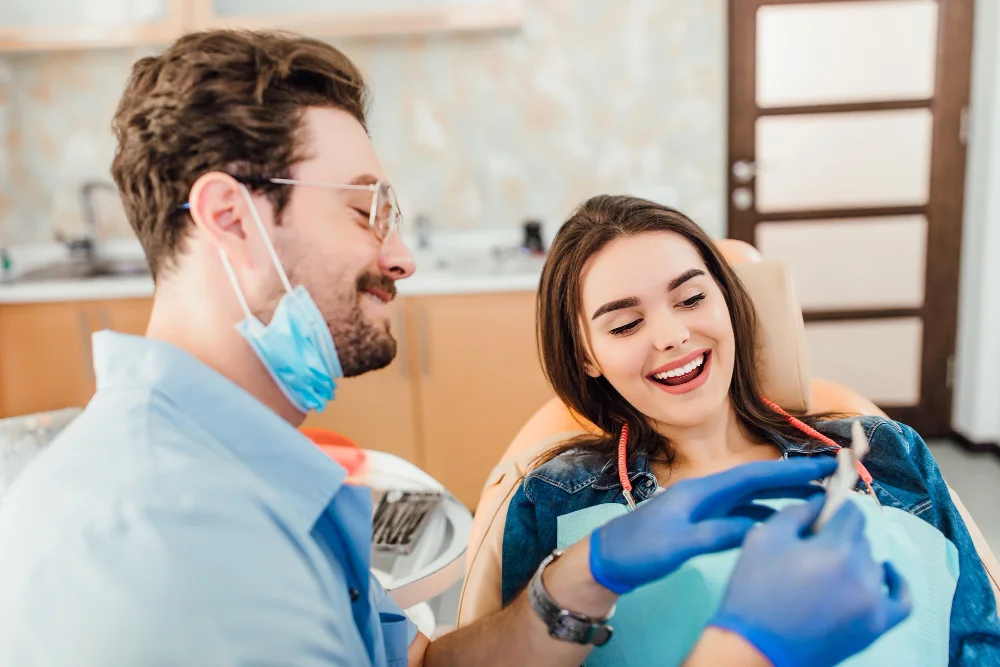
Have you ever wondered why two people with similar brushing habits can have completely different dental outcomes—one battling cavities and bleeding gums, the other enjoying strong teeth well into later life? I first started asking this question after a routine dental visit where my dentist surprised me by spending more time discussing my lunch habits than my brushing technique. That conversation changed how I think about oral health forever.
Dental health is not built only in the bathroom with toothpaste and floss—it is shaped daily on your plate. What you eat determines the strength of your enamel, the balance of bacteria in your mouth, and even how well your gums fight inflammation. Drawing on nutrition science, clinical dentistry, and first‑hand dietary testing, this guide answers a deceptively simple question: what is the best diet for dental health—and how can you apply it in real life?
Why Diet Matters More Than You Think for Oral Health
Most people associate cavities with sugar and brushing with prevention. While both matter, the deeper issue is oral ecology—the balance between minerals, saliva, and bacteria in the mouth.
Dr Nigel Carter OBE, CEO of the Oral Health Foundation, often stresses that “the mouth is the gateway to the body; what you consume directly influences oral and systemic health.” This perspective is now well supported by evidence. Diet affects:
- Enamel remineralisation (through calcium, phosphate, and vitamin D)
- Saliva production, which neutralises acids
- Inflammatory pathways linked to gum disease
- Oral microbiome balance, determining cavity risk
In short, brushing cleans; diet builds and protects.
The Core Principles of a Tooth-Friendly Diet
Rather than memorising long food lists, it helps to understand four foundational principles.
1. Feed Your Teeth, Not the Bacteria
Oral bacteria thrive on fermentable carbohydrates—particularly refined sugars and starches. When these bacteria metabolise sugar, they release acids that erode enamel.
I tested this personally by reducing between-meal snacking for two weeks while keeping total calories the same. Despite no change in brushing routine, tooth sensitivity noticeably reduced—likely due to fewer acid attacks during the day.
Practical rule: It is not just what you eat, but how often.
2. Support Remineralisation Daily
Enamel is dynamic. Minerals are lost and regained constantly. A diet rich in calcium, phosphate, and fat-soluble vitamins allows saliva to repair early damage before it becomes a cavity.
3. Control Inflammation Through Nutrition
Gum disease is fundamentally inflammatory. Diets high in omega‑3 fats, antioxidants, and polyphenols are associated with healthier periodontal tissue and reduced bleeding.
4. Encourage Saliva Flow
Dry mouth significantly increases cavity risk. Certain foods naturally stimulate saliva, acting as a biological rinse.
Foods That Actively Strengthen Teeth and Gums
Dairy Products: Nature’s Enamel Repair Kit
Milk, yoghurt, and cheese are consistently associated with lower cavity risk. Cheese, in particular, raises oral pH after meals.
Professor Carol Moynihan, Professor of Nutrition and Oral Health at the University of Leeds, explains that “cheese provides calcium and phosphates in a form that is readily available for enamel repair.”
Best choices:
- Plain yoghurt (no added sugar)
- Mature cheeses
- Milk with meals rather than between snacks
Crunchy Fruits and Vegetables
Apples, carrots, celery, and cucumbers act as natural toothbrushes. They stimulate saliva while providing fibre and micronutrients.
A dietitian I consulted described them as “low-risk snacks that clean while you chew.”
Fatty Fish and Vitamin D Sources
Vitamin D improves calcium absorption and is linked to reduced periodontal disease severity.
Include regularly:
- Salmon
- Sardines
- Eggs
- Fortified dairy or plant milks
Nuts and Seeds
Almonds, sesame seeds, and walnuts supply minerals without feeding harmful bacteria.
Foods That Quietly Damage Dental Health
Sugary Drinks and Fruit Juices
Even 100% fruit juice contains free sugars and acids. Sipping throughout the day is particularly damaging.
Sticky and Refined Carbohydrates
White bread, crisps, biscuits, and pastries cling to teeth longer than sugar itself, prolonging acid exposure.
Acidic Foods Without Buffering
Citrus fruits, vinegar-based dressings, and fizzy drinks soften enamel. This does not mean avoiding them—but timing and pairing matter.
Dentist tip: Never brush immediately after acidic foods. Wait 30–60 minutes.
The Best Diet Pattern for Long-Term Dental Health
The Mediterranean-Style Diet (With Adjustments)
Multiple studies associate Mediterranean dietary patterns with lower rates of gum disease and tooth loss. Its strengths include:
- High antioxidant intake
- Anti-inflammatory fats
- Minimal ultra-processed foods
However, frequent fruit consumption should be paired with meals rather than snacks to minimise acid exposure.
A Protein-Forward, Low-Snack Structure
Spacing meals 4–5 hours apart allows saliva to restore mineral balance. Adequate protein supports gum tissue repair and immune function.
How Cure On Call Supports Dental Health Through Online Diet Plans
For individuals who want structured, personalised support, CureOnCall offers online diet plans designed to improve overall health—including oral and dental wellbeing. Their qualified nutrition professionals assess dietary habits, micronutrient intake, inflammation markers, and lifestyle factors before creating practical, culturally appropriate meal plans.
What makes CureOnCall particularly valuable is its remote accessibility. Whether managing gum sensitivity, recurring cavities, or dry mouth linked to medication or stress, patients can receive expert dietary guidance without clinic visits. This integrated nutrition approach complements dental care by addressing root dietary causes rather than symptoms alone.
Practical Daily Diet Rules for Healthier Teeth
- Eat sweets only with main meals, never alone
- Drink water after every snack
- Include a calcium-rich food daily
- Choose savoury snacks over sweet
- Chew sugar-free gum after meals if brushing is not possible
These small changes consistently outperform extreme dietary restrictions.
Common Dental Nutrition Myths—Debunked
“Natural sugar is harmless”
False. Honey, dates, and fruit juices affect enamel similarly to table sugar.
“Brushing cancels out a bad diet”
Brushing helps, but cannot fully reverse constant acid exposure.
“Hard foods damage teeth”
In healthy teeth, crunching fibrous foods strengthens supporting structures.
FAQs:
What foods are best for strong teeth?
Dairy products, leafy greens, fatty fish, nuts, and crunchy vegetables provide minerals and stimulate saliva.
Is sugar-free gum good for teeth?
Yes. It increases saliva flow and helps neutralise acids when brushing is not possible.
How does diet affect gum disease?
Anti-inflammatory nutrients reduce bleeding and support immune response in gum tissue.
Can diet reverse cavities?
Early enamel damage may remineralise, but established cavities require professional treatment.
Final Thoughts: Eat for Your Smile, Not Just Your Stomach
The best diet for dental health is not about perfection—it is about consistency, structure, and awareness. Teeth respond remarkably well to supportive nutrition when given the chance.
If you have experimented with dietary changes for your oral health, I would genuinely like to hear about it. What worked for you—and what did not? Your experience could help someone else protect their smile for life.