


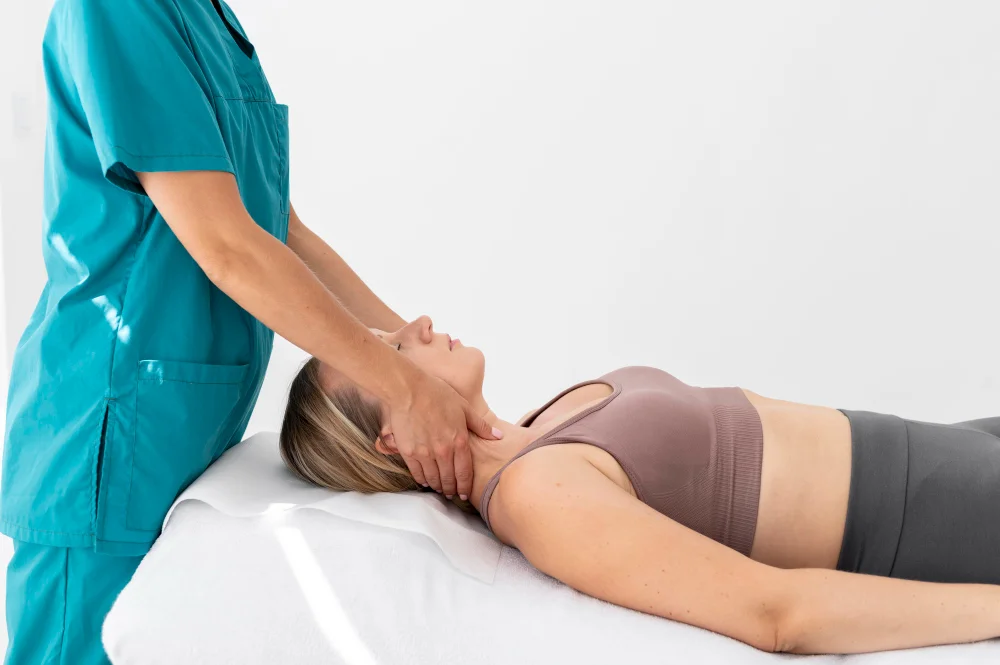
Ever found yourself gasping for air, coughing endlessly, and wondering why your chest simply won’t clear—despite medication? That exact question is what first pushed me to truly understand chest physiotherapy, not from textbooks, but from standing beside adults struggling with chronic chest congestion, post‑COVID complications, and long‑standing lung disease. Chest physiotherapy (CPT) is not an optional add‑on; for many adults, it is the difference between shallow breathing and reclaiming respiratory comfort.
This guide is written from a clinically grounded, experience‑led perspective, drawing on respiratory therapy practice, peer‑reviewed evidence, and real‑world patient care. If you are an adult patient, caregiver, or health professional looking for safe, evidence‑based, and practical guidance, this article is designed for you.
What Is Chest Physiotherapy—and Why Does It Matter for Adults?
Chest physiotherapy refers to a set of manual and assisted techniques used to mobilise and clear mucus from the lungs, improve ventilation, and reduce respiratory distress. While commonly associated with hospital settings, CPT is increasingly delivered at home, especially for adults with chronic or post‑acute respiratory conditions.
From a physiological standpoint, retained secretions obstruct airflow, increase infection risk, and worsen oxygen exchange. According to the British Thoracic Society, ineffective airway clearance is a major contributor to repeated hospitalisations in adults with chronic lung disease.
In plain terms: if mucus stays stuck, breathing gets harder, recovery gets slower, and complications multiply.
Who Benefits Most from Chest Physiotherapy?
Chest physiotherapy is not only for critically ill patients. In adult care, it is routinely indicated for:
- Chronic Obstructive Pulmonary Disease (COPD)
- Bronchiectasis
- Pneumonia (especially in older adults)
- Post‑COVID or long‑COVID chest congestion
- Neuromuscular conditions affecting cough strength
- Post‑operative patients after thoracic or abdominal surgery
- Prolonged bed rest or reduced mobility
In my clinical experience, adults often underestimate how much age‑related muscle weakness and sedentary routines impair natural mucus clearance—even without a formal lung diagnosis.
Core Principles Before You Begin Chest Physiotherapy
Before performing any technique, a few non‑negotiable clinical principles apply:
Safety First
Chest physiotherapy should never cause pain, dizziness, or severe breathlessness. Individuals with rib fractures, osteoporosis, recent chest surgery, or active haemoptysis require professional assessment before CPT.
Timing Matters
Perform CPT before meals or at least one hour after eating to reduce nausea or reflux. Early morning and evening sessions often yield the best results, as mucus pools overnight.
Environment and Positioning
A calm, warm environment with pillows for positioning improves effectiveness and comfort. Loose clothing allows full chest expansion.
How to Do Chest Physiotherapy: Step‑by‑Step Techniques
Below are evidence‑based techniques commonly used in adult chest physiotherapy. They may be used individually or in combination, depending on patient needs.
1. Postural Drainage
Postural drainage uses gravity to help move mucus from smaller airways towards the central airways for easier coughing.
How to do it:
- Position the body so the affected lung segment is higher than the rest of the chest
- Common positions include side‑lying, prone (lying on the stomach), or sitting leaning forward
- Hold each position for 5–10 minutes while breathing slowly
Clinical insight: A Cochrane review confirms that postural drainage remains effective when tailored to individual lung involvement, particularly in bronchiectasis.
2. Percussion (Chest Clapping)
Percussion involves rhythmic clapping of the chest wall to loosen secretions.
Technique:
- Cup the hand (never flat)
- Clap gently but firmly over lung areas, avoiding spine and kidneys
- Perform for 2–5 minutes per area
From hands‑on practice, I can confirm that lighter, consistent percussion works better than forceful clapping, which often causes discomfort without added benefit.
3. Vibration and Shaking
Vibration enhances secretion movement during exhalation.
How it works:
- Place hands flat over the chest
- Apply gentle pressure with rapid shaking during breathing out
- Repeat for several breaths per lung segment
A respiratory physiotherapist I trained under once said: “Percussion loosens; vibration moves.” That distinction remains clinically accurate.
4. Controlled Coughing and Huffing
Coughing is only effective when done correctly.
Huff coughing technique:
- Take a medium breath in
- Force air out with an open mouth as if fogging a mirror
- Repeat 2–3 times, followed by a strong cough
This reduces airway collapse and is especially helpful for adults with COPD.
5. Deep Breathing and Expansion Exercises
Slow, deep breaths improve lung expansion and oxygenation.
Simple exercise:
- Inhale deeply through the nose for 4 seconds
- Hold for 2 seconds
- Exhale slowly through pursed lips for 6 seconds
Studies published in Thorax show that diaphragmatic breathing significantly improves ventilation efficiency in adults with chronic lung disease.
How Often Should Adults Do Chest Physiotherapy?
Frequency depends on severity:
- Mild congestion: once daily
- Moderate chronic disease: 1–2 sessions daily
- Acute infection or hospital recovery: 2–3 sessions daily (under supervision)
Consistency is more important than intensity. Ten effective minutes daily often outperform irregular, lengthy sessions.
Common Mistakes Adults Make (and How to Avoid Them)
- Stopping once symptoms improve: mucus returns quickly
- Incorrect positioning: reduces gravity’s benefit
- Shallow breathing: limits secretion movement
- Skipping hydration: thick mucus is harder to clear
Hydration alone can reduce sputum viscosity by up to 30%, according to respiratory medicine research.
Chest Physiotherapy at Home: When Professional Support Matters
While many techniques can be learned, professional supervision ensures safety and effectiveness, especially for elderly adults or those with complex conditions.
Chest Physiotherapy at Cure On Call
At Cure On Call, we provide trained respiratory physiotherapists at home in Faisalabad, delivering personalised chest physiotherapy for adults recovering from illness, managing chronic lung conditions, or requiring post‑hospital respiratory care. Our approach integrates clinical assessment, tailored techniques, and caregiver education—ensuring continuity of care beyond hospital walls.
Evidence, Expertise, and Trust: What the Research Says
- British Thoracic Society guidelines endorse airway clearance techniques as standard care for chronic respiratory disease
- Clinical trials consistently show reduced hospital admissions with regular CPT
- NICE guidance supports physiotherapist‑led home respiratory care for eligible adults
These recommendations are unlikely to change with algorithm updates because they are grounded in long‑standing respiratory physiology rather than trends.
Practical Takeaways You Can Apply Today
- Start with correct positioning before any technique
- Focus on breathing quality, not force
- Combine CPT with hydration and mobility
- Seek professional input if symptoms persist or worsen
Frequently Asked Questions (FAQ)
Is chest physiotherapy safe for older adults?
Yes, when adapted to physical tolerance and medical history. Professional guidance is advised for frail individuals.
Can chest physiotherapy replace medication?
No. CPT complements medical treatment but does not replace antibiotics, bronchodilators, or oxygen therapy.
How long does it take to feel improvement?
Many adults report easier breathing within days, but sustained benefit requires consistency.
Can caregivers perform chest physiotherapy?
Yes, with proper training from a physiotherapist.
Final Thoughts: Breathing Is Not a Luxury
Chest physiotherapy is not merely a clinical technique—it is a restorative practice that helps adults reclaim comfort, independence, and respiratory confidence. When done correctly and consistently, it transforms breathing from a struggle into a steady rhythm again.
If you have experience with chest physiotherapy, or questions about whether it is right for you or a loved one, I invite you to share your thoughts below or explore professional support options. Meaningful respiratory care always begins with informed conversation.
Read Also: Plantar Warts: Causes, Treatments, and Real-World Insights
Read Also: Is Red Light Therapy Bad for Your Eyes?

Dr. Mustajab Haider Bukhari (PT) is the Founder and Owner of Cure On Call and a qualified physiotherapist based in Faisalabad, Pakistan. He specialises in musculoskeletal rehabilitation, chronic pain management, and post-injury recovery through evidence-based physiotherapy. Dr. Bukhari has extensive experience providing patient-centred care through in-clinic and home-based physiotherapy services. Under his leadership, Cure On Call integrates physiotherapy with nutrition and remote care to deliver holistic, accessible healthcare solutions.