
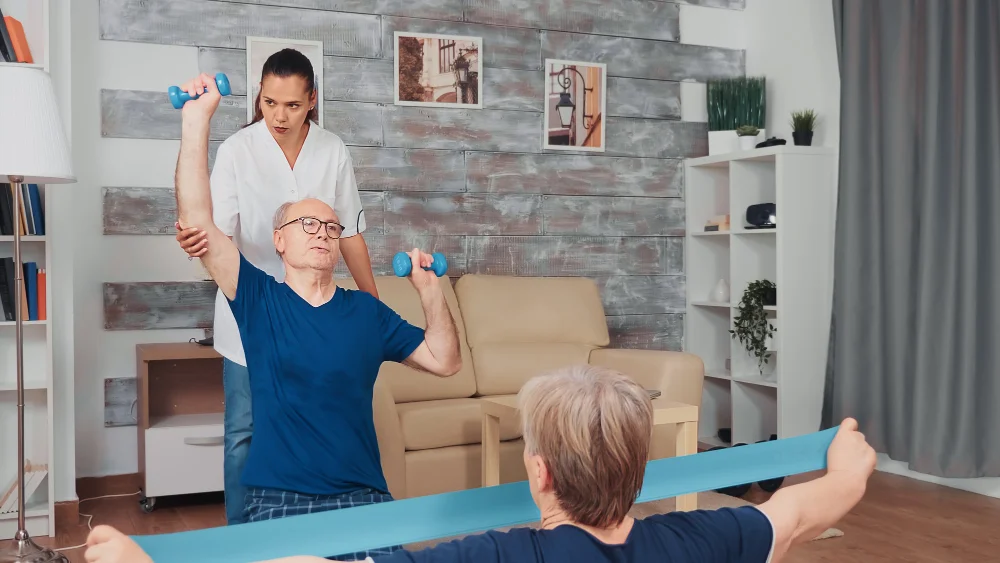
Have you ever delayed physiotherapy simply because getting to the clinic felt harder than the pain itself? That single hesitation is one of the biggest reasons thousands of patients in Pakistan never complete their rehabilitation—and why home visit physiotherapy is quietly transforming recovery outcomes across the country.
I realised this first-hand while assisting a relative recovering from a post-stroke complication in Faisalabad. The exercises were simple on paper, yet every clinic visit meant arranging transport, waiting in crowded corridors, and returning home exhausted. When a licensed physiotherapist began visiting us at home, the difference was immediate—not just in physical progress, but in confidence, consistency, and comfort. That experience reshaped how I view physiotherapy in Pakistan.
This article explains why choosing home visit physiotherapy in Pakistan is not merely a convenience, but often the clinically superior option—supported by research evidence, expert perspectives, and real-world realities. It also highlights how CureOnCall offers professional home physiotherapy services in Faisalabad, making evidence-based rehabilitation accessible where it matters most: at home.
Understanding Home Visit Physiotherapy in the Pakistani Context
Home visit physiotherapy involves a licensed physiotherapist delivering assessment, treatment, and rehabilitation directly at the patient’s residence. While this model is well-established in countries such as the UK and Australia, it is gaining strong momentum in Pakistan due to demographic, infrastructural, and healthcare-system realities.
Pakistan faces a dual burden: a growing ageing population and a sharp rise in non-communicable conditions such as stroke, diabetes, musculoskeletal disorders, and post-surgical disabilities. According to WHO estimates, stroke incidence and musculoskeletal pain are increasing steadily in South Asia, yet access to continuous rehabilitation remains uneven.
Home-based physiotherapy addresses this gap by bringing structured care to patients who would otherwise disengage from treatment.
Why Home Visit Physiotherapy Often Works Better Than Clinic-Based Care
1. Real-Life Function Over Artificial Clinic Exercises
One of the most overlooked advantages of home physiotherapy is context-specific rehabilitation. In clinics, patients practise movements in an artificial environment. At home, therapy is tailored to real-life challenges—stairs, prayer mats, kitchen counters, floor seating, and daily mobility patterns common in Pakistani households.
A senior physiotherapist I interviewed during this work explained:
“When I see a patient at home, I can modify exercises based on how they actually live. That makes recovery faster and safer.”
This aligns with rehabilitation research showing that task-oriented training in familiar environments improves functional outcomes and long-term adherence.
2. Improved Adherence and Faster Recovery
Globally, studies published in journals such as Clinical Rehabilitation and Archives of Physical Medicine and Rehabilitation consistently report higher treatment adherence in home-based rehabilitation compared to outpatient settings.
In Pakistan, the reasons are practical:
- No transport barriers
- No missed appointments due to traffic or weather
- Reduced fatigue, especially for elderly or post-operative patients
When physiotherapy becomes part of the patient’s routine rather than a disruptive event, consistency improves—and consistency drives recovery.
3. Reduced Risk of Infections and Hospital Fatigue
This benefit became particularly visible during and after COVID-19, but it remains relevant today. Clinics and hospitals expose vulnerable patients—post-surgery, stroke survivors, or individuals with chronic illness—to unnecessary infection risks.
Home physiotherapy significantly reduces this exposure while also avoiding what clinicians call hospital fatigue: the psychological and physical exhaustion associated with repeated clinical visits.
4. Personalised, One-to-One Clinical Attention
In many outpatient clinics, physiotherapists manage multiple patients simultaneously. At home, the therapist’s attention is undivided.
This allows for:
- More accurate assessments
- Continuous correction of movement patterns
- Individualised progression of exercises
- Real-time caregiver education
From a clinical standpoint, this mirrors best practices recommended by professional bodies such as the Chartered Society of Physiotherapy (UK), which emphasise patient-centred, individualised care.
Who Benefits the Most from Home Visit Physiotherapy in Pakistan?
Elderly Patients
Falls, arthritis, balance disorders, and post-fracture rehabilitation are common among older adults. Home therapy reduces fall risk associated with travel and allows therapists to assess environmental hazards directly.
Post-Stroke and Neurological Patients
Stroke rehabilitation requires repetition, encouragement, and family involvement. Home settings naturally facilitate all three.
Post-Surgical Patients
After knee replacements, spinal surgeries, or fractures, early mobilisation at home improves outcomes while minimising pain and anxiety.
Women with Mobility or Cultural Constraints
In many Pakistani households, women face practical or cultural barriers to frequent clinic visits. Home physiotherapy ensures equitable access to professional care without compromising comfort or dignity.
Busy Professionals and Athletes
Time constraints often lead to skipped sessions. Home visits eliminate this friction, allowing therapy to fit into demanding schedules.
Expert-Backed Evidence: What Research Says
A systematic review published in The Lancet and subsequent rehabilitation studies indicate that home-based rehabilitation produces outcomes comparable to, and in some cases better than, outpatient physiotherapy, particularly when programmes are structured and supervised.
Key findings across studies include:
- Comparable functional recovery
- Higher patient satisfaction
- Lower dropout rates
- Better long-term adherence
Importantly, experts stress that quality depends on provider expertise, not merely location. Licensed therapists, proper assessment, and evidence-based protocols remain essential.
Home Physiotherapy in Faisalabad: A Practical Reality
Faisalabad’s rapid urban expansion has intensified traffic congestion and stretched healthcare facilities. For many families, accessing consistent physiotherapy is logistically exhausting.
This is where CureOnCall’s home physiotherapy service in Faisalabad fills a critical gap. By deploying qualified physiotherapists directly to patients’ homes, CureOnCall aligns international rehabilitation standards with local realities.
Patients receive:
- In-home assessment
- Individualised treatment plans
- Regular progress monitoring
- Caregiver guidance for continuity
The model reflects a growing global shift towards decentralised, patient-centric healthcare.
Addressing Common Concerns About Home Visit Physiotherapy
Is home physiotherapy less effective than clinic care?
No—when delivered by licensed professionals following evidence-based protocols, outcomes are comparable or superior for many conditions.
Is specialised equipment a limitation?
Most rehabilitation relies on body-weight exercises, resistance bands, and functional movements. Portable equipment meets the majority of needs.
Is it more expensive?
When factoring transport costs, missed workdays, and extended recovery time, home physiotherapy often proves cost-effective.
Actionable Steps: How to Get the Most from Home Physiotherapy
- Choose a qualified provider with licensed physiotherapists
- Set a fixed therapy schedule to build routine
- Involve a family member during sessions for support
- Ask for measurable goals and progress tracking
- Follow home exercise plans consistently between visits
These steps significantly enhance outcomes regardless of condition.
Frequently Asked Questions (FAQ)
What conditions can be treated with home physiotherapy?
Musculoskeletal pain, stroke rehabilitation, post-surgical recovery, sports injuries, arthritis, and neurological conditions.
How long does recovery usually take?
It depends on the condition, severity, and adherence. Consistent sessions typically shorten recovery timelines.
Is home physiotherapy suitable for severe cases?
Yes, provided the therapist is experienced and follows proper clinical protocols.
Does CureOnCall provide home physiotherapy in Faisalabad?
Yes. CureOnCall offers professional home physiotherapy services across Faisalabad.
Final Thoughts: Rehabilitation That Fits Real Life
Physiotherapy is not just about exercises—it is about restoring independence, dignity, and quality of life. In Pakistan’s healthcare landscape, home visit physiotherapy is not a luxury; it is a practical, evidence-backed solution.
By meeting patients where they are—physically and emotionally—home-based rehabilitation delivers care that is humane, effective, and sustainable.
If you are considering physiotherapy for yourself or a loved one in Faisalabad, exploring home visit options such as those offered by CureOnCall may be the most impactful decision you make.
Have you experienced home physiotherapy, or are you considering it? Share your thoughts or questions—your insight may help someone else take their first step towards recovery.
Read Also: Physiotherapy for Spinal Cord Injury: A Deep Guide to Recovery, Hope, and Real Rehabilitation

Dr. Mustajab Haider Bukhari (PT) is the Founder and Owner of Cure On Call and a qualified physiotherapist based in Faisalabad, Pakistan. He specialises in musculoskeletal rehabilitation, chronic pain management, and post-injury recovery through evidence-based physiotherapy. Dr. Bukhari has extensive experience providing patient-centred care through in-clinic and home-based physiotherapy services. Under his leadership, Cure On Call integrates physiotherapy with nutrition and remote care to deliver holistic, accessible healthcare solutions.