By Dr. Mustajab Haider Bukhari (PT), Founder, Cure on Call. Reviewed by the Cure on Call physiotherapy team.
Quick answer: Modern concussion care has moved away from resting in a dark room until symptoms pass. Current guidelines support early, guided activity. Physiotherapy plays a central role through sub-symptom aerobic exercise, cervical (neck) treatment, and vestibular and visual rehabilitation, all of which have randomised-trial evidence for faster, safer recovery and return to sport. The key is that activity is structured, supervised, and kept below the level that provokes symptoms.
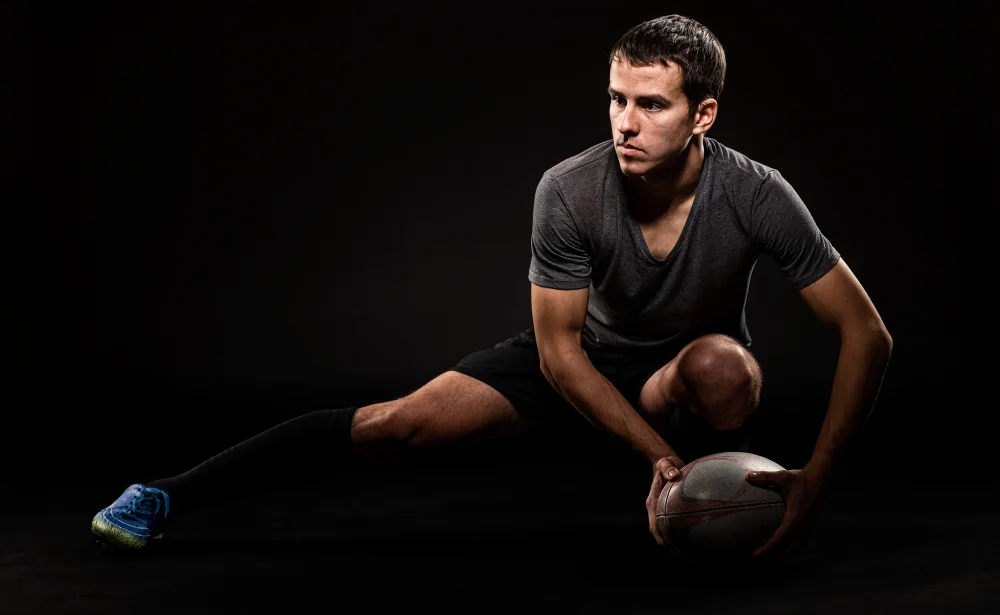
For years, the advice after a sports concussion was simple: stop, rest, and wait it out in a dark room. That advice has changed. The evidence now shows that complete rest, held too long, can actually slow recovery, and that carefully dosed activity helps. Physiotherapy sits at the centre of that shift. This guide explains what a sports concussion really is, why rest alone is no longer the answer, and what the research actually supports, with honest framing and sources you can check.
What is a sports concussion, and why it is more than a bump
A sports concussion is a form of mild traumatic brain injury caused by a direct or indirect force to the head or body that transmits to the brain. According to the 2023 international consensus statement on concussion in sport, from the conference held in Amsterdam in October 2022, a concussion produces a temporary disturbance in how the brain functions rather than visible structural damage, which is why standard CT and MRI scans usually look normal (Patricios et al., British Journal of Sports Medicine, 2023).
Normal imaging does not mean nothing is wrong. The injury is functional, affecting how brain cells use energy and how systems such as balance, eye control and the autonomic nervous system regulate themselves. That is exactly why a movement-based, systems approach helps.
Common symptoms
Symptoms vary between people and can evolve over hours and days rather than appearing all at once:
- Headache or a feeling of pressure in the head
- Dizziness or balance problems
- Sensitivity to light or noise
- Blurred or double vision
- Difficulty concentrating, memory lapses, mental fog
- Fatigue and disturbed sleep
- Mood changes such as irritability or anxiety
Most people recover within days to a few weeks, and adolescents sometimes take a little longer. A minority go on to have symptoms that persist beyond the usual window, which is where structured rehabilitation becomes especially important.
Red flags: when to seek emergency care
Most concussions are not emergencies, but some head injuries are. Go to an emergency department or call emergency services immediately if, after a head impact, you or the athlete has any of the following:
- A headache that gets steadily worse or becomes severe
- Repeated vomiting
- A seizure or convulsion
- Increasing drowsiness, confusion, or difficulty waking
- Weakness, numbness, or loss of coordination
- Slurred speech or unusual behaviour
- Unequal pupils or double vision that does not settle
- Neck pain with pins and needles or weakness in the limbs
- Any loss of consciousness
Rehabilitation begins only after these serious causes have been ruled out.
Why rest alone is no longer enough
Early, brief rest of one to two days is still sensible. The problem is prolonged rest. Extended physical and mental inactivity can slow recovery, reduce fitness, and worsen mood and anxiety, particularly in athletes who are used to being active.
The evidence for moving earlier is strong. In a randomised controlled trial of 103 adolescents, those given a prescribed sub-symptom aerobic exercise program in the first week recovered faster, in about 13 days, than those given a placebo-like stretching program, at about 17 days (Leddy et al., JAMA Pediatrics, 2019). The point is not that athletes should push hard, it is that gentle, controlled activity below the symptom threshold beats waiting passively.
What physiotherapy does for a sports concussion
Concussion physiotherapy is not generic exercise. It is a targeted assessment and treatment of the specific systems a concussion disturbs. A thorough assessment looks at more than the headache:
- The neck (cervical spine). The same force that causes a concussion also strains the neck, and neck problems can produce headaches and dizziness that mimic or add to concussion symptoms.
- The vestibular system, the inner-ear balance system, which is often disrupted and drives dizziness and unsteadiness.
- Eye movement and visual control, which sport relies on for tracking, focus and reaction.
- Tolerance to exertion, how the heart rate and autonomic nervous system respond to activity.
- Balance, posture and sport-specific movement.
Separating these out matters, because the right treatment depends on which systems are involved.
The interventions with the best evidence
Sub-symptom aerobic exercise. Guided, progressive aerobic activity such as walking, cycling or treadmill work, kept below the level that brings on symptoms, helps restore the brain’s blood-flow regulation and rebuilds exercise tolerance. This is the approach validated in the Leddy trial above and now embedded in international guidelines.
Cervical and vestibular rehabilitation. A randomised trial found that combining cervical spine physiotherapy with vestibular rehabilitation dramatically improved outcomes in people with persistent dizziness, neck pain and headaches after concussion. In that study, 73 percent of the treated group were medically cleared to return to sport within 8 weeks, compared with just 7 percent of the control group, making the treated group nearly four times more likely to be cleared (Schneider et al., British Journal of Sports Medicine, 2014). Vestibular work includes gaze stabilisation and balance training, while cervical treatment addresses the neck joints and muscles that often drive lingering headaches.
Visual and oculomotor rehabilitation. When eye tracking and focus are affected, targeted exercises help restore the rapid, accurate eye movements sport demands.
Return-to-sport movement re-education. Before full clearance, physiotherapy bridges the gap between feeling better at rest and performing safely, using a graded, staged return that combines movement with cognitive demands rather than clearing an athlete on time alone.
When should physiotherapy start
Current consensus favours early, active management once emergency red flags are excluded, typically within the first several days rather than waiting for symptoms to vanish on their own. Starting an appropriate, guided program early is associated with shorter recovery and a smoother return to sport, and return to play then follows a staged, step-by-step protocol supervised by a clinician.
Physiotherapy versus rest versus medication
- Rest: useful for the first day or two, counterproductive when prolonged.
- Medication: can ease specific symptoms such as headache, but it does not treat the underlying causes.
- Physiotherapy: targets the actual drivers, the neck, the balance and visual systems, and exertion tolerance, and rebuilds capacity for sport.
The pattern across the evidence is consistent. Active, guided rehabilitation outperforms passive waiting.
Physiotherapy for sports concussions at Cure on Call
Sports concussion rehabilitation is a specialised area, and honest scope matters. At Cure on Call, our physiotherapists can assess your symptoms, identify and treat the cervical (neck) contribution that so often drives post-concussion headaches and dizziness, guide a safe sub-symptom activity plan, and help structure a staged return to activity and sport. Where your case calls for specialised vestibular, oculomotor or exertion testing that needs to be done in person, or where red flags are present, we will say so and help direct you to the right in-person service rather than delay your care.
For many athletes, the practical path is an initial assessment to work out which systems are involved, followed by a clear plan. You can arrange an online physiotherapy consultation to start that process, explore our wider physiotherapy services and our post-injury and post-surgery physiotherapy for staged return-to-activity work, or contact us to talk through your situation.
Frequently asked questions
Physiotherapy does not repair brain cells directly. It supports recovery by restoring blood-flow regulation through graded exercise, retraining balance and eye control, and treating the neck, all of which reduce symptoms and rebuild function.
Yes, when it is guided and kept below the level that triggers symptoms. Randomised evidence shows that early sub-symptom aerobic exercise can speed recovery compared with passive approaches. It should be started after red flags are excluded and ideally under professional guidance.
Most people recover within days to about four weeks, with adolescents sometimes taking a little longer. A minority have persistent symptoms and benefit from targeted rehabilitation.
Parts of it can. Symptom review, the neck component, activity pacing and return-to-sport planning translate well to online care. Some specialised vestibular, visual and exertion testing is best done in person, and any red-flag symptoms need urgent in-person assessment.
Poorly managed or repeated concussions, especially returning to play before recovery, increase the risk of prolonged symptoms. This is why a structured, supervised return matters.
Where this leaves you
Sports concussions are invisible injuries, but their effects are real, and the way they are managed has a large impact on recovery. The old model of waiting in a dark room has given way to early, guided, system-specific rehabilitation, and physiotherapy is central to that. Addressing the neck, balance and visual systems, and rebuilding exercise tolerance at the right pace, helps athletes recover more fully and return to sport with confidence rather than guesswork.
If you or an athlete you support is recovering from a concussion and the symptoms are not settling, an assessment is the fastest way to find out which systems are involved and what to do next. The Cure on Call team is here to help you start.
About the author: Dr. Mustajab Haider Bukhari (PT) is the founder of Cure on Call and a qualified physiotherapist in Faisalabad, Pakistan, working in musculoskeletal rehabilitation and movement-based recovery through in-clinic, home and online care.
This article is educational and does not replace individual medical assessment. After any significant head injury, seek in-person medical evaluation, and treat the red-flag symptoms above as emergencies.
Read Also: How to Do Speech Therapy at Home: A Practical, Expert‑Backed Guide for Real Progress

Dr. Mustajab Haider Bukhari (PT) is the Founder and Owner of Cure On Call and a qualified physiotherapist based in Faisalabad, Pakistan. He specialises in musculoskeletal rehabilitation, chronic pain management, and post-injury recovery through evidence-based physiotherapy. Dr. Bukhari has extensive experience providing patient-centred care through in-clinic and home-based physiotherapy services. Under his leadership, Cure On Call integrates physiotherapy with nutrition and remote care to deliver holistic, accessible healthcare solutions.